
 Tiếng Việt
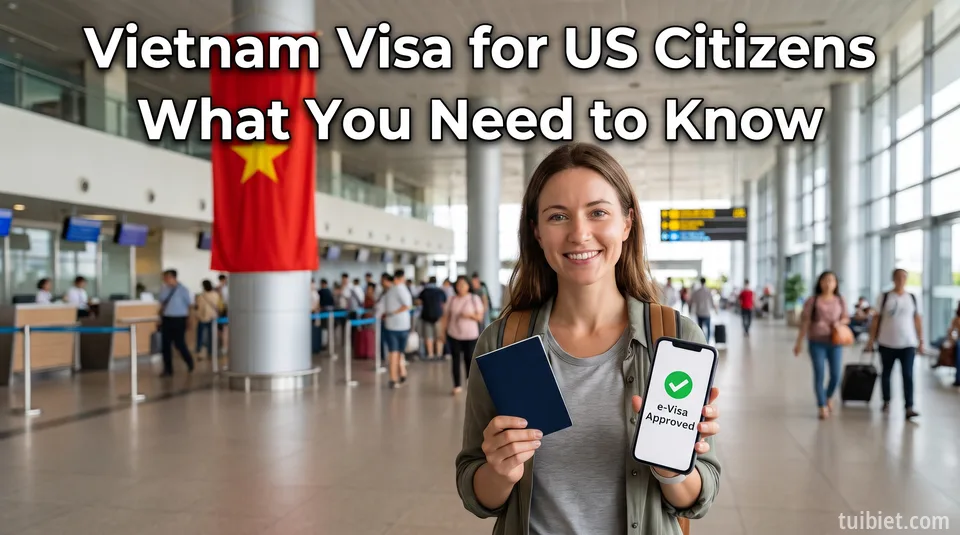
Planning a trip to Vietnam? This guide explains Vietnam visa requirements 2026 in plain English — and the good news is that getting in has never been easier. Most travelers can now choose between a 90-day e-Visa applied for entirely online, or skip the visa altogether thanks to a greatly expanded exemption list. Below: who needs a visa, how the e-Visa works, what it costs, and the mistakes that catch first-time visitors off guard.
Vietnam Visa Requirements 2026: Who Is Exempt?
Short answer: maybe you don’t need a visa at all. Vietnam now grants visa-free entry to citizens of dozens of countries. If your country is on the exemption list below, you can simply show up with a valid passport — no application, no fee. Everyone else needs a visa, and for tourists the e-Visa is almost always the right choice.
45-day visa-free: 24 countries
In 2025 Vietnam expanded its unilateral visa exemption to 24 countries, each granted 45 days visa-free (policy valid through 2028):
- Germany, France, Italy, Spain, the UK, Russia, Japan, South Korea, Denmark, Sweden, Norway, Finland
- Belgium, Bulgaria, Croatia, Czechia, Hungary, Luxembourg, the Netherlands, Poland, Romania, Slovakia, Slovenia, Switzerland
The second group of twelve is officially granted for tourism purposes. Note that British National (Overseas) passports are not covered.
Bilateral exemptions for shorter stays
Separate bilateral agreements cover more nationalities: Chile and Panama (90 days); Thailand, Singapore, Malaysia, Indonesia, Cambodia, Laos and Kyrgyzstan (30 days); the Philippines (21 days); Brunei and Myanmar (14 days). A special rule worth knowing: visitors who fly directly to Phu Quoc island without transiting the Vietnamese mainland get 30 days visa-free regardless of nationality.
Exemption terms for a few countries are being updated — if yours isn’t clearly listed above, double-check the latest terms before you fly.
The Vietnam e-Visa: 90 Days, Fully Online
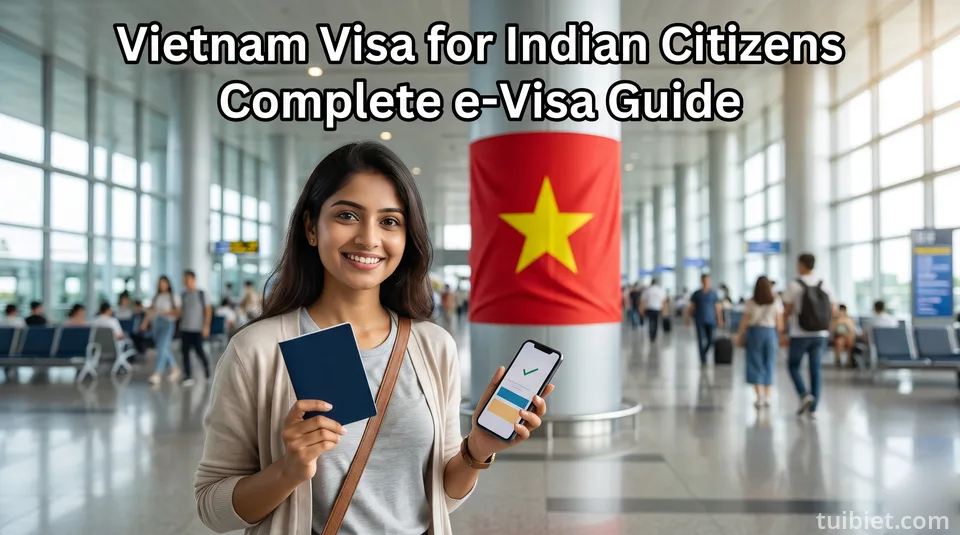
Under Vietnam visa requirements 2026, the e-Visa is the main route for everyone who isn’t exempt. The essentials:
- Validity: up to 90 days — you choose the duration when applying
- Entries: single-entry or multiple-entry (choose on the form)
- Official fee: USD 25 (single-entry) or USD 50 (multiple-entry) — a non-refundable government fee
- Eligibility: citizens of all countries and territories
- Processing: about 3 working days (weekends and holidays not counted)
- Where you can enter: 83 designated ports — 17 international airports (including Noi Bai in Hanoi, Tan Son Nhat in Ho Chi Minh City, Da Nang, Cam Ranh, Phu Quoc and the new Long Thanh airport once operational), plus land borders and seaports
Apply only on the official website
This is the most valuable paragraph in this guide: apply ONLY at evisa.gov.vn (Vietnam’s official e-Visa portal, run by the Immigration Department). Search results are crowded with lookalike sites — some with official-sounding names — that charge USD 80–200+ for the exact same USD 25/50 e-Visa. If a website asks for much more than USD 50, close the tab.
How to Apply for a Vietnam e-Visa: Step by Step
- Go to evisa.gov.vn and start a new application.
- Upload a portrait photo and a clear scan of your passport’s data page.
- Fill in your details: intended entry and exit dates, port of entry (enter through the port you declare — arriving at a different port can get you turned away), and an address in Vietnam.
- Choose single or multiple entry and your intended length of stay (up to 90 days).
- Pay USD 25 or 50 by card and save your registration code.
- Wait about 3 working days, then download and print your e-Visa letter.
Local tip: apply at least 7–10 days before departure, and double-check every letter of your name and passport number — typos are the number-one cause of delays and rejections.
The Digital Arrival Card (New in 2026)
Since April 15, 2026, international visitors must also complete a free digital arrival card at prearrival.immigration.gov.vn within 72 hours before landing, then show the QR code at immigration. It launched at Tan Son Nhat airport in Ho Chi Minh City and is being extended to other airports. Two things to remember: the arrival card does not replace your visa or exemption — you still need one of those — and just like the e-Visa, the card itself is free, so ignore any website charging a fee for it.
Before You Fly: Entry Checklist
- Passport valid at least 6 months beyond your arrival date — required even for visa-exempt travelers — with one or two blank pages
- Printed e-Visa approval letter (if applicable) — don’t rely on your phone alone
- Digital arrival card QR code
- Onward or return ticket — airlines often ask to see it before boarding
- Good news: there is no official requirement to show proof of funds or detailed hotel bookings for tourist entry
4 Mistakes First-Time Visitors Make
- Paying a middleman three times the official fee on a lookalike website.
- Declaring the wrong port of entry on the e-Visa application.
- Forgetting the digital arrival card — it’s new in 2026 and easy to miss.
- Assuming “visa-free” means “can work” — exemptions and tourist e-Visas do not permit employment in Vietnam.
Vietnam Visa FAQ
Can I extend my e-Visa inside Vietnam?
No — e-Visas cannot be extended in-country. Plan your stay within the 90 days, or exit and apply for a new one.
How long does the e-Visa really take?
About 3 working days in most cases. Apply at least a week ahead so a small delay doesn’t ruin your flights.
Is there still “visa on arrival”?
The old visa-on-arrival system (approval letter plus a stamping fee at the airport) has effectively been replaced by the e-Visa for most travelers — the e-Visa is cheaper, simpler, and decided before you fly.
Do children need a visa too?
Yes — the same rules apply per person, including a separate e-Visa application and fee for each child.
Vietnam visa requirements 2026 reward travelers who prepare: ten minutes on the official portal saves you hundreds of dollars and a headache at the border. Check the exemption list first, apply for the e-Visa if you need one, file your arrival card — then enjoy the trip.
Sources: Vietnam Immigration Department (evisa.gov.vn); Embassy of Vietnam in Japan and the United States on Resolutions 44/NQ-CP and 229/NQ-CP; Resolution 389/NQ-CP on ports of entry. Regulations change — verify critical details on the official portal before traveling.